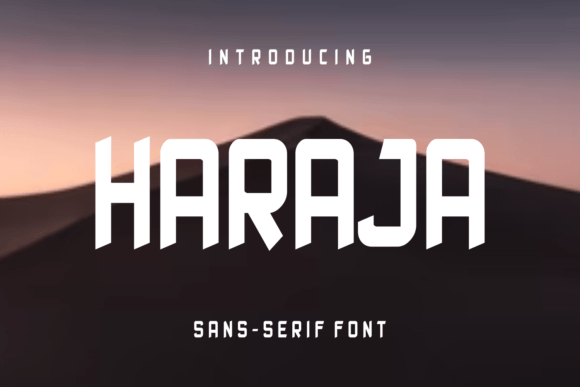
Haraja: The Modern Sans Serif Typeface for Handmade Branding
As someone who spends half their day cutting vinyl and the other half designing digital printables, I know that typography is not just an afterthought—it is the foundation of your brand identity. When you are creating physical products like candle labels, wedding invitations, or boutique tags, the font you choose communicates quality before a customer even touches the item. This is where Haraja becomes an incredible asset to your design toolkit. It is a cool and unique sans serif font that brings a clean, modern edge to any creation, making it perfect for crafters, Etsy sellers, and small business owners who want their work to stand out in a crowded marketplace.
Why Haraja Fits the Maker’s Aesthetic
In the world of handmade goods, there is often a tension between rustic charm and sleek professionalism. You might be selling farmhouse-style decor one week and minimalist jewelry packaging the next. Haraja bridges this gap beautifully. As a sans serif typeface, it lacks the decorative flourishes of traditional serifs, which gives it a contemporary feel. However, its unique character prevents it from feeling sterile or corporate. It has a distinct personality that feels approachable yet sophisticated.
For product label makers and sticker designers, readability is paramount. Haraja offers excellent legibility, even at smaller sizes. This makes it ideal for ingredient lists on soap bars, care instructions on knitwear tags, or concise messaging on social media graphics. Its clean lines ensure that your text remains crisp whether it is printed on glossy paper, etched onto wood, or cut into HTV (heat transfer vinyl) for shirts and tote bags.
Practical Applications for Physical Products
The versatility of Haraja allows it to elevate a wide range of physical products. Here is how I recommend using this creative font in your own shop:
- Candle and Soap Labels: Pair Haraja with a simple layout to create a minimalist aesthetic. Use it for the product name in bold weights and switch to a lighter weight for the scent notes. The contrast creates a high-end look that justifies premium pricing.
- Wedding and Event Stationery: For modern weddings, couples are moving away from overly ornate scripts. Haraja serves as a stunning display font for "Welcome" boards, seating charts, and menu cards. It pairs exceptionally well with floral illustrations, allowing the typography to anchor the design without competing with the artwork.
- Farmhouse and Rustic Signs: While many associate rustic designs with distressed serif fonts, a clean sans serif can offer a fresh twist. Use Haraja for wall art quotes or nursery signs. Its geometric balance works surprisingly well when paired with distressed textures or wood-grain backgrounds, offering a "modern farmhouse" vibe that appeals to a broad audience.
- Product Packaging and Tags: Small boutique tags benefit from clear, uncluttered typography. Haraja ensures that your brand name is instantly recognizable. Whether you are printing hang tags for clothing or boxes for jewelry, this font maintains its integrity at tiny scales, ensuring your brand identity remains consistent across all touchpoints.
- Digital Printables and Planners: If you sell digital downloads, such as printable wall art or planner pages, Haraja is a reliable choice. It looks sharp on screens and prints cleanly. It is particularly effective for headers in bullet journals or titles in habit trackers, where clarity helps users navigate their daily routines.
Font Pairing Strategies for Design Assets
No single font does everything. To maximize the commercial appeal of your designs, you need to know how to pair Haraja effectively. Because it is a neutral yet stylish sans serif, it acts as a perfect counterpoint to more expressive typefaces.
Script and Handwritten Fonts: One of the most popular combinations in the crafting community is pairing a flowing script font with a structured sans serif. Use Haraja for the structural elements—like dates, locations, or secondary information—and let a romantic script font handle the main headline. This combination balances elegance with readability, making it perfect for invitation templates and greeting cards.
Bold Display and Serif Fonts: For a more editorial look, try pairing Haraja with a classic serif font. The contrast between the modern sans serif and the traditional serif creates visual interest and depth. This is great for magazine-style layouts in zines, book covers, or high-end branding kits. Alternatively, use Haraja alongside a heavy, chunky display font for bold statement pieces like gym motivation posters or sale announcements.
Technical Considerations for Cricut and Silhouette Users
If you use cutting machines like Cricut or Silhouette, the structure of your font matters. Haraja’s sans serif nature means fewer delicate connections to worry about during weeding. This reduces the risk of tearing thin letters, especially when working with intricate designs or small stickers. When preparing SVG files for clients or personal use, ensure you have converted all text to outlines if you are sharing the final design file. However, having the original font file allows you to edit text easily in design software like Adobe Illustrator or Canva, giving you flexibility when customizing orders for customers.
Always check the included styles, alternates, ligatures, and swashes if they are listed in the font package. These features can add unique touches to your logos or monograms without needing extra graphic elements. For instance, a custom ligature in Haraja might replace two letters with a single, cohesive shape, adding a professional polish to logo design projects.
Commercial Licensing and Brand Consistency
As a seller, protecting your business is just as important as creating beautiful products. Before using Haraja for commercial purposes, such as selling physical merchandise, templates, printables, or client work, always review the commercial font license. Most premium fonts require a specific license for commercial use, which may vary depending on the number of end-products you sell. Ensuring you have the correct licensing protects you from legal issues and allows you to scale your business with confidence.
Consistency builds trust. By using Haraja across your website, social media graphics, email newsletters, and physical product labels, you create a cohesive brand identity. Customers subconsciously recognize the style of your typography, which reinforces brand recall. Whether you are launching a new line of holiday product packaging or updating your Etsy shop banner, Haraja provides the modern, reliable foundation your brand needs to succeed.
Final Tips for Implementation
- Multilingual Support: Check if Haraja supports multilingual characters if you plan to sell internationally. Accented characters and special symbols are essential for reaching a global audience.
- Mockup Previews: Always view your designs in realistic mockups. A font that looks good on a white screen might lose impact on a textured background. Test Haraja on various materials to see how it interacts with different surfaces.
- Weight Variation: Experiment with different weights within the Haraja family. Using a mix of light, regular, and bold weights in a single design adds hierarchy and guides the viewer’s eye naturally through your message.
Ultimately, Haraja is more than just a typeface; it is a tool that helps you communicate your brand’s value clearly and attractively. By integrating this unique sans serif font into your workflow, you elevate every creation, from the smallest sticker to the largest signage project, ensuring your handmade goods look as professional as they feel heartfelt.